Two days of technical discussions in Abidjan brought ECADSOL together with representatives of the Ivorian Armed Forces and maritime authorities to examine operational requirements, emerging technologies and opportunities for sustainable capability development.
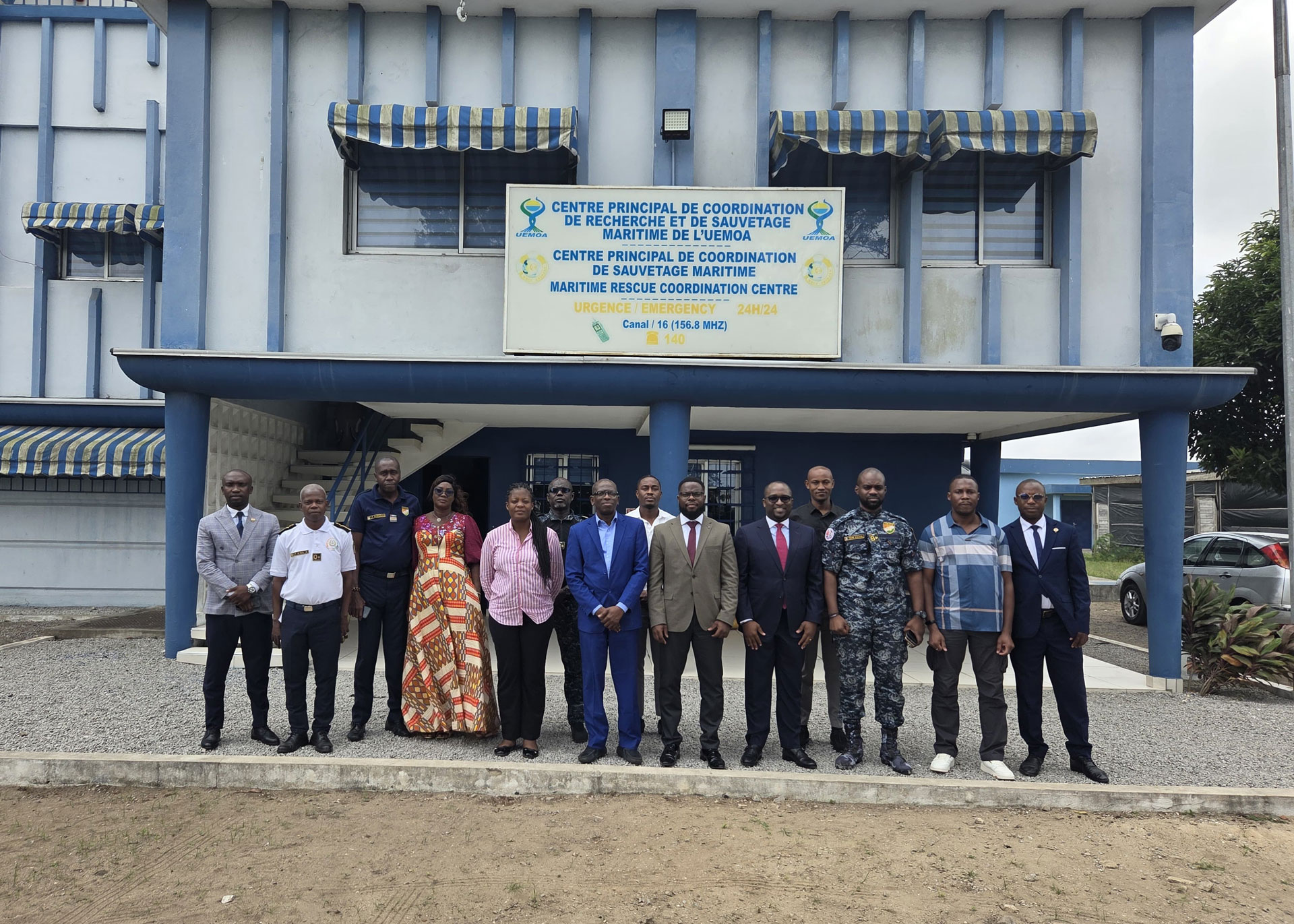
On 9 and 10 September 2026, ECADSOL Group held two institutional engagements in Abidjan, meeting representatives of the Forces Armées de Côte d'Ivoire (FACI) and the country's maritime administration. The discussions took place at the Office of the Chef d'État-Major Général des Armées (CEMGA) in the Plateau district and at the Maritime Rescue Coordination Centre (MRCC), bringing together military technical leadership, maritime specialists and operational personnel.
The visits marked a further step in building relationships with the institutions responsible for defining, operating and sustaining national defence and security capabilities. The purpose was straightforward: understand the requirements, establish where engineering can add value, and explore how future cooperation could support national capability over the long term.
Engaging the Ivorian Armed Forces
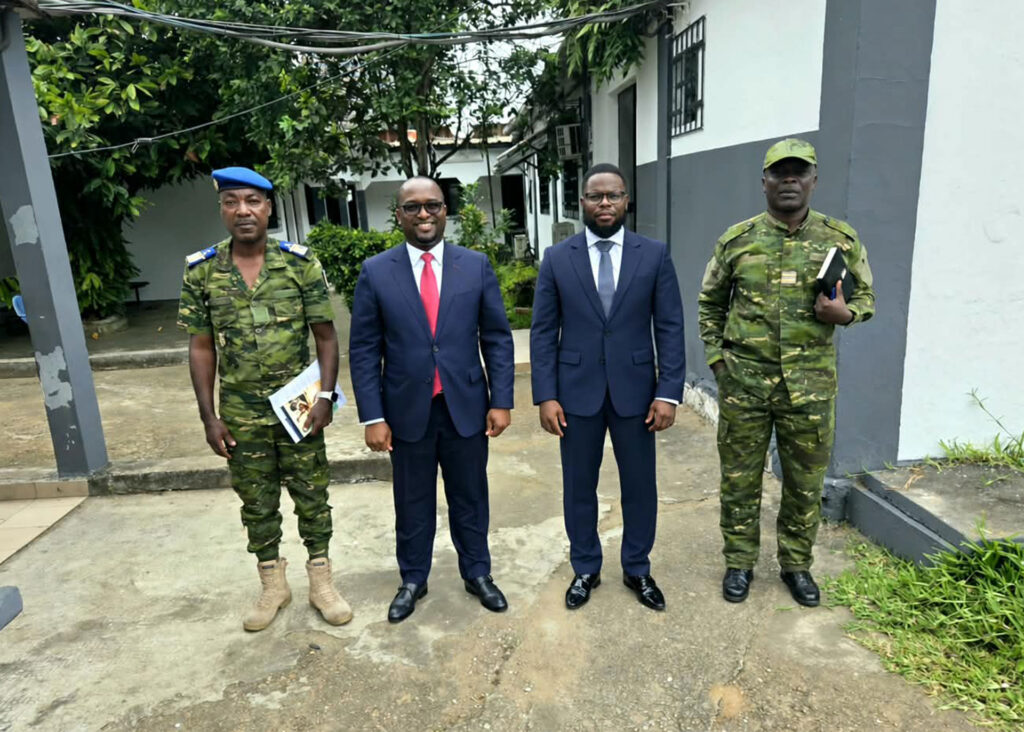
On 9 September, ECADSOL met representatives of the Division d'Appui Technique et Technologique (DATT) at the Office of the CEMGA. The meeting was attended by Lieutenant-Colonel Étienne Harding Kouadio, Head of DATT, and Lieutenant-Colonel Touré Opewa Hervé.
ECADSOL delivered a technical and strategic presentation covering its developing defence technology portfolio, its systems engineering approach and a proposed model for cooperation with the Ivorian Armed Forces.
The discussion extended beyond individual platforms. It considered how autonomous systems, integrated mission technologies, engineering support and industrial development could contribute to the long-term modernisation of national defence capabilities.
Central to the presentation was a distinction that shapes ECADSOL's approach: acquiring equipment is not the same as establishing a sustainable operational capability. A platform may meet its initial technical requirements, but its long-term value also depends on integration, trained personnel, maintenance arrangements, configuration control, spare parts and the ability to adapt as operational needs change.
ECADSOL's proposed approach therefore begins with the operational requirement and follows the full capability lifecycle, from systems architecture and technical evaluation through to training, acceptance and in-service support.
From technical discussion to potential cooperation
The DATT engagement introduced ECADSOL's developing multi-domain capabilities, including tactical uncrewed aircraft, counter-UAS solutions, uncrewed ground and maritime systems, digital command-and-control technologies and engineering consultancy. These capabilities are at different stages of development. They would be considered only against requirements defined and assessed with the relevant authorities.
Following the meeting, ECADSOL proposed a structured technical dialogue with DATT and the FACI. The suggested approach includes identifying a technical focal point, establishing a joint working arrangement and holding requirements-led discussions with the appropriate military services. This work could help determine priority operational needs, examine suitable technologies and identify opportunities for technical evaluation, training and sustainment.
No formal agreement or procurement commitment has been concluded with DATT or the FACI.
Listening to the people responsible for maritime safety
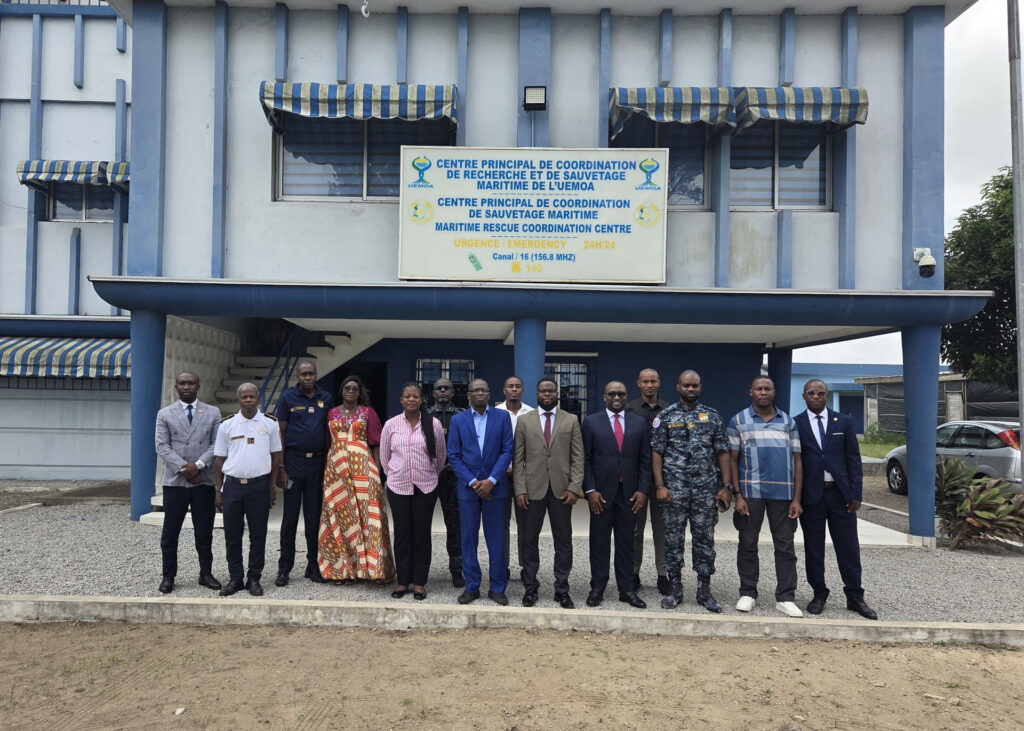
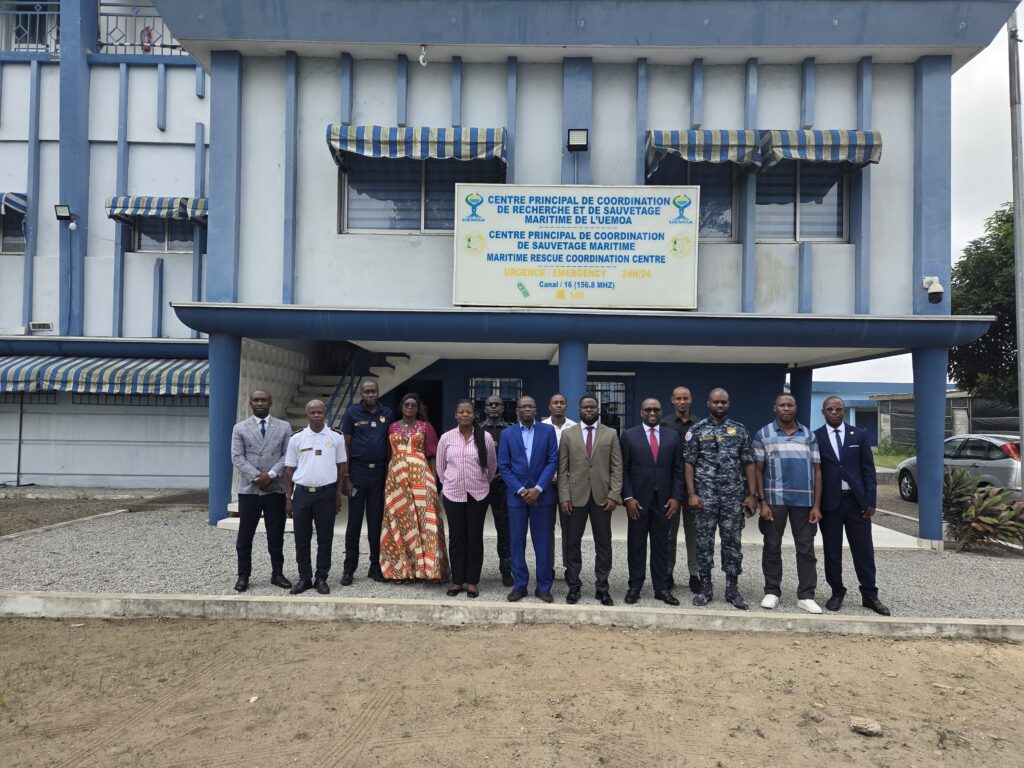
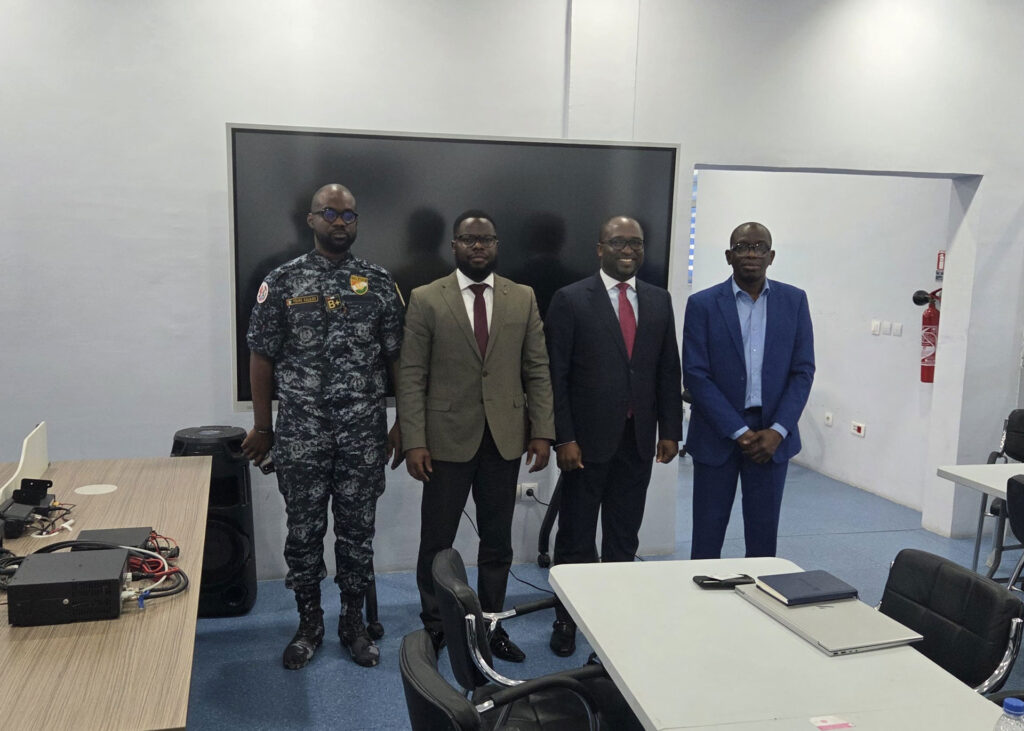
On 10 September, ECADSOL held a technical engagement with the Direction Générale des Affaires Maritimes et Portuaires (DGAMP) and personnel at Abidjan's MRCC. The session included Gnépa Djoro Hyacinthe, Director of the MRCC, alongside members of the maritime technical and operational teams.
The visit was an opportunity to discuss maritime surveillance, safety, security and operational coordination directly with the personnel who monitor maritime activity and support responses at sea. The setting was particularly relevant: Abidjan's MRCC also serves as the principal maritime rescue coordination centre for the West African Economic and Monetary Union (UEMOA), giving its work a regional dimension.
Discussions addressed the practical challenges of maintaining maritime situational awareness across coastal waters, shipping approaches and the wider Gulf of Guinea. These included vessel identification, the limitations of relying solely on Automatic Identification System (AIS) data, illegal maritime activity, piracy-related risks and the coordination of maritime enforcement and search-and-rescue operations. A recurring theme was the importance of combining information from different sources to give operators a more reliable understanding of activity at sea.
Beyond AIS: building a clearer maritime picture
AIS is an important tool for maritime traffic monitoring, but it cannot provide a complete picture of every vessel at sea. Some craft do not carry AIS equipment, and transmitted information may be absent, incomplete or unreliable. Complementary surveillance and verification therefore matter when authorities need to identify, assess and respond to maritime activity.
ECADSOL explored how integrated architectures could bring together vessel information, radar, electro-optical and infrared sensors, satellite data and suitable uncrewed systems. The objective would be to help operators correlate information, improve situational awareness and support decisions through a coherent maritime command-and-control environment.
The discussion drew on ECADSOL's maritime concepts, the SÈNÈ-1 uncrewed surface vessel and the KONGO-1 uncrewed underwater vehicle, alongside airborne surveillance concepts and OSIRIS, its AI-enabled mission-system architecture. SÈNÈ-1 and KONGO-1 are concepts, and OSIRIS is in development. None is an operational system supplied to the Ivorian maritime authorities.
The discussion also considered secure communications, information-sharing between agencies, maritime policing support, underwater infrastructure inspection and technologies that could assist search-and-rescue coordination. Any future solution would need to account for the maritime authority's regulatory responsibilities, data governance, existing infrastructure, affordability and long-term support requirements.
Engineering that stays: building capability in Côte d'Ivoire
Although the two engagements addressed different operational environments, they pointed to the same underlying challenge. Modern defence and maritime organisations depend on interconnected systems. Surveillance platforms, sensors, communications networks, decision-support software and trained personnel must work together if investment is to produce lasting operational value.
This is where systems engineering and industrial cooperation become as important as the equipment itself. ECADSOL is developing a model that combines engineering expertise with local technical training, maintenance, integration and progressive industrial participation.
Founded by Boris Yao, a British aerospace and systems engineer of African heritage, ECADSOL is pursuing this approach from its Bristol headquarters while building institutional relationships in African markets. Its international engagements are part of that early-stage work: understanding customer needs, identifying credible cooperation opportunities and establishing the relationships required before any future programme can be responsibly pursued.
Boris Yao, Founder and CEO of ECADSOL Group, said:
"A country does not build lasting capability simply by buying more equipment. It builds it through the people who can operate, maintain and improve that equipment over time. That is the relationship we want to develop: bringing British engineering expertise together with local knowledge and institutions, so that what we help create can be sustained and developed in Côte d'Ivoire."
Next steps
The meetings in Abidjan are an early but important part of ECADSOL's engagement with Côte d'Ivoire's defence and maritime institutions. They establish a basis for continued technical dialogue, further clarification of operational priorities and consideration of appropriate cooperation arrangements. Any subsequent technical work, demonstrations or formal agreements would remain subject to the decisions of the relevant authorities, applicable regulations and necessary approvals.
ECADSOL will continue to connect its engineering and industrial expertise with the requirements of African defence and maritime organisations, with particular emphasis on systems integration, technical assurance, skills development and through-life support. The aim is not simply to introduce new technology. It is to help establish the knowledge, partnerships and support structures that allow national institutions to use that technology effectively, maintain it independently where appropriate and develop their capabilities over time.
To discuss partnership, investment or industrial collaboration, contact us at info@ecadsol.com.