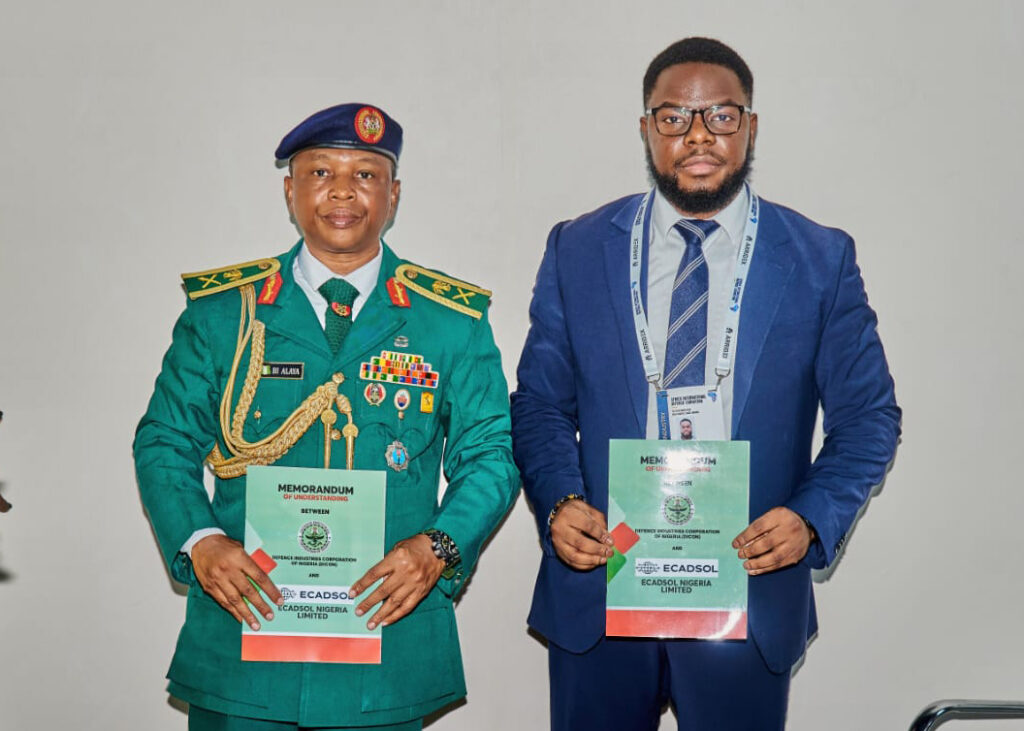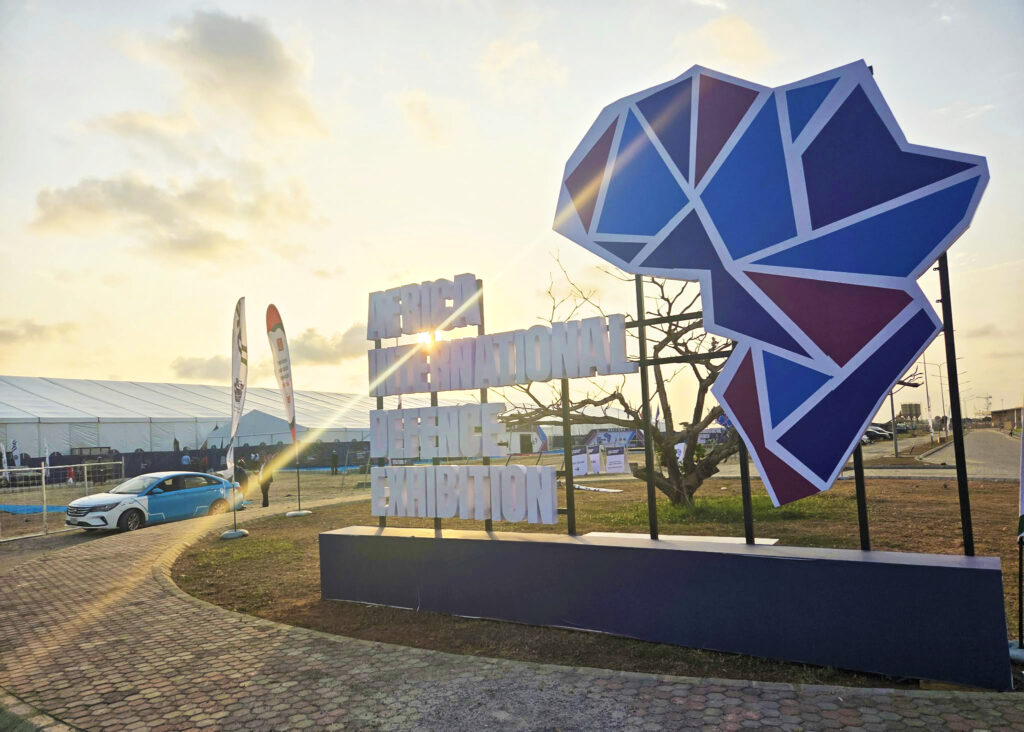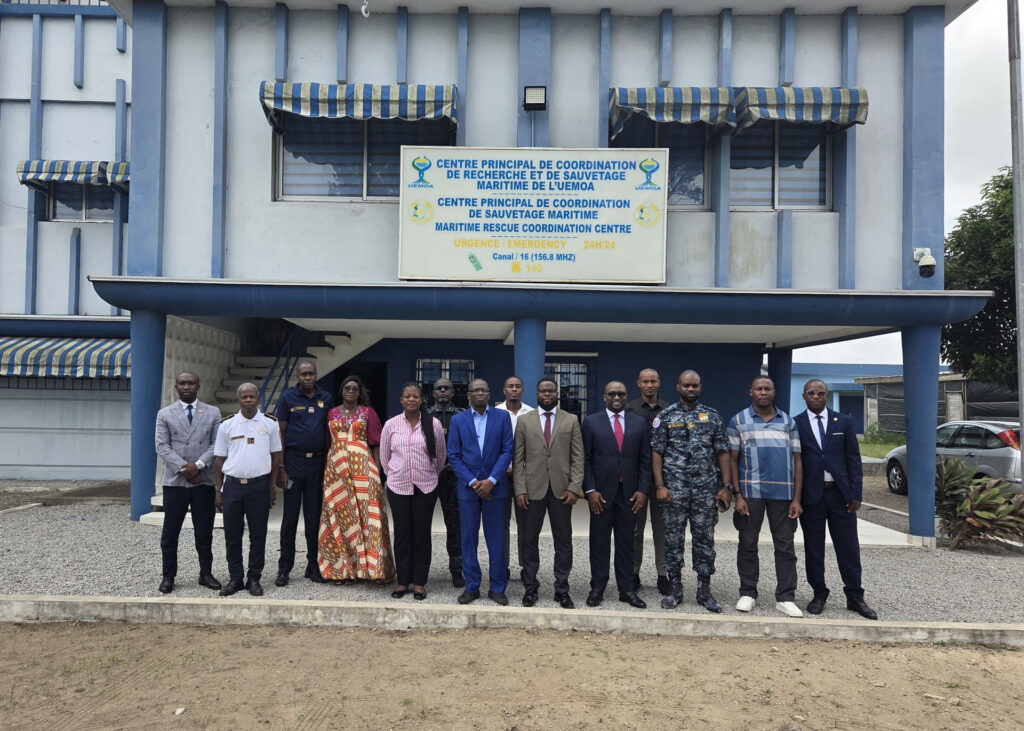
On Friday 29 May 2026, an ECADSOL delegation travelled to Kaduna to meet the Defence Industries Corporation of Nigeria (DICON). We went to introduce ECADSOL, to hear what DICON looks for in an industrial partner, and to explore where our work could support Nigeria's defence industrial goals.
The meeting
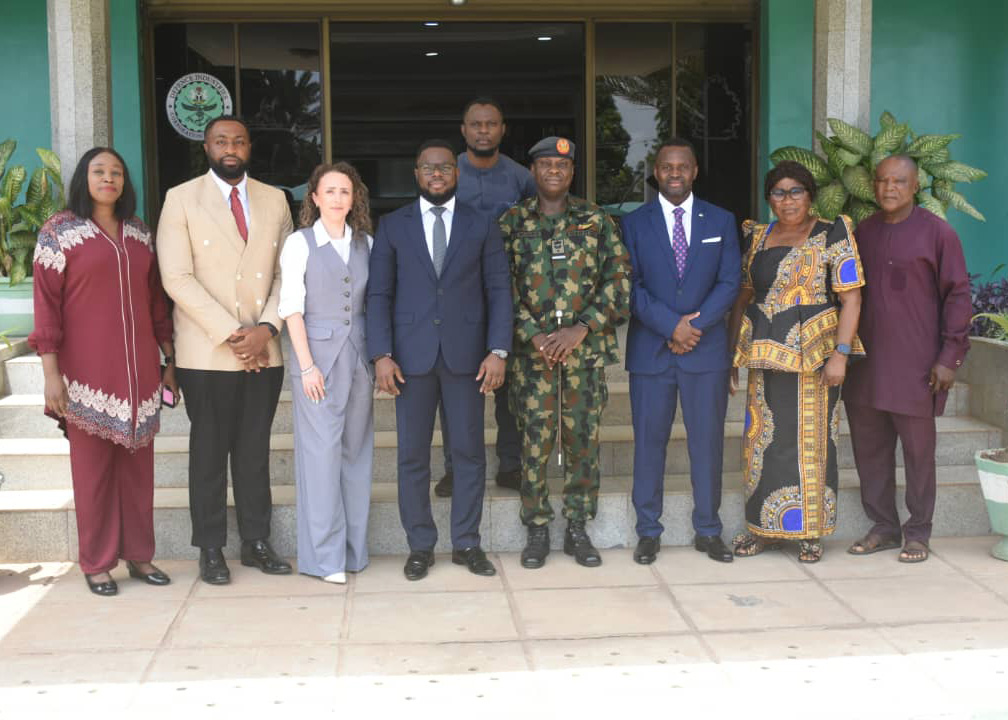
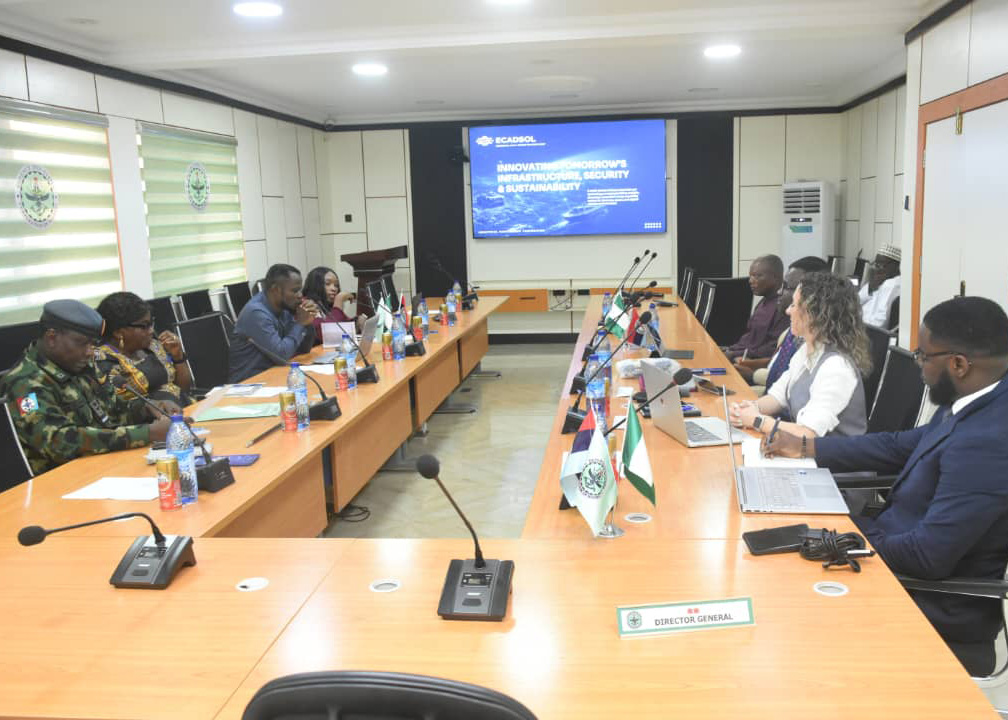
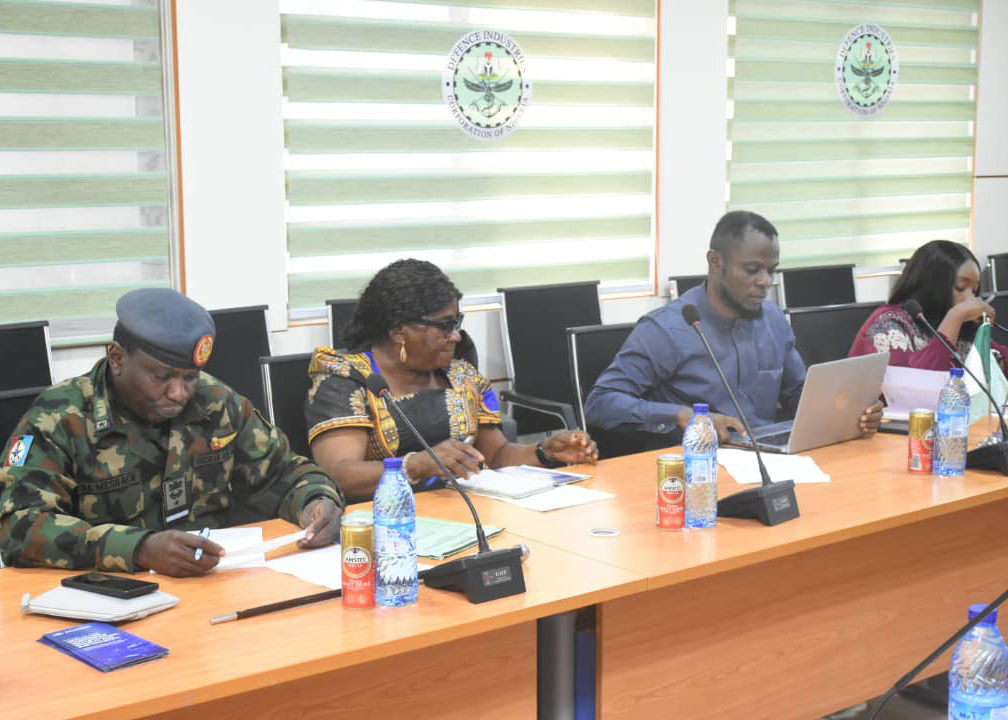
The ECADSOL team met DICON and its Partnership Coordination Committee at DICON headquarters in Kaduna.
ECADSOL was represented by Boris Yao, Founder and CEO; Janan Keddi, Director of Programmes and Partnerships; Prince Henry Ajene, Director of Operations and Commercial; and Emily Merchant, Director of Brand and Communications.
ECADSOL is a UK-headquartered, multi-domain engineering and technology group developing dual-use technology. Its work includes autonomous systems and software for defence and civilian applications, including critical infrastructure and coastal monitoring. We introduced the company, how we work, and the engineering-authority approach that sits beneath everything we build.
Why DICON
Established by an Act of Parliament in 1964, the Defence Industries Corporation of Nigeria (DICON) is Nigeria’s national defence manufacturing corporation. It serves the country’s armed forces and other security agencies.
DICON’s mission is to strengthen Nigeria’s national security and compete in global defence markets. It aims to deliver defence solutions that can be sustained over time by investing in research, adopting emerging technologies, encouraging innovation and building strategic partnerships. Its role is to build the country's defence industrial base, so that more of the equipment Nigeria's forces rely on can be produced and supported at home.
That goal sits close to our own. ECADSOL is built on a simple conviction: capability is most resilient when it is designed, built and sustained close to the point of use. A partner with a national mandate for local production is a natural place to start a conversation about how that could work in Nigeria.
What we discussed
At DICON House, we introduced ECADSOL’s work and engaged with DICON’s Partnership Coordination Committee who set out what they look for in an industrial partner, the visit helped us understand where UK engineering expertise could complement skills and facilities in Nigeria. In our follow-up, we explored what that could mean in practice, including local assembly, technical training and how systems could be maintained in Nigeria over their working life.
- Local assembly.
How systems could be assembled and integrated in Nigeria, building industrial capacity rather than relying on finished imports. - Technical training.
How Nigerian engineers and technicians could gain the skills to build, operate and maintain advanced systems. - Long-term support.
How maintenance, spares and upgrades could be delivered in-country across the life of a system, so that capability does not depend on suppliers abroad.
These three areas reflect a principle that runs through ECADSOL's work. Acquiring equipment is not the same as establishing capability. Lasting capability depends on the people, processes and support that keep a system working long after it is delivered.
What comes next
The meeting in Kaduna opened a dialogue between ECADSOL and DICON. We will continue to explore how our engineering and industrial expertise could support Nigeria's defence industrial ambitions, guided by the priorities DICON has set out.
Our thanks to DICON and the members of its Partnership Coordination Committee for their time and hospitality.
To discuss partnership, investment or industrial collaboration, contact us at info@ecadsol.com.